The platform should follow the workflow
“WordPress or custom?” is often asked as if one option were more professional than the other. That is the wrong comparison.
The useful question is: what does this system need to do every day, who will operate it and how unusual are those workflows?
WordPress is a strong choice when publishing is the core job
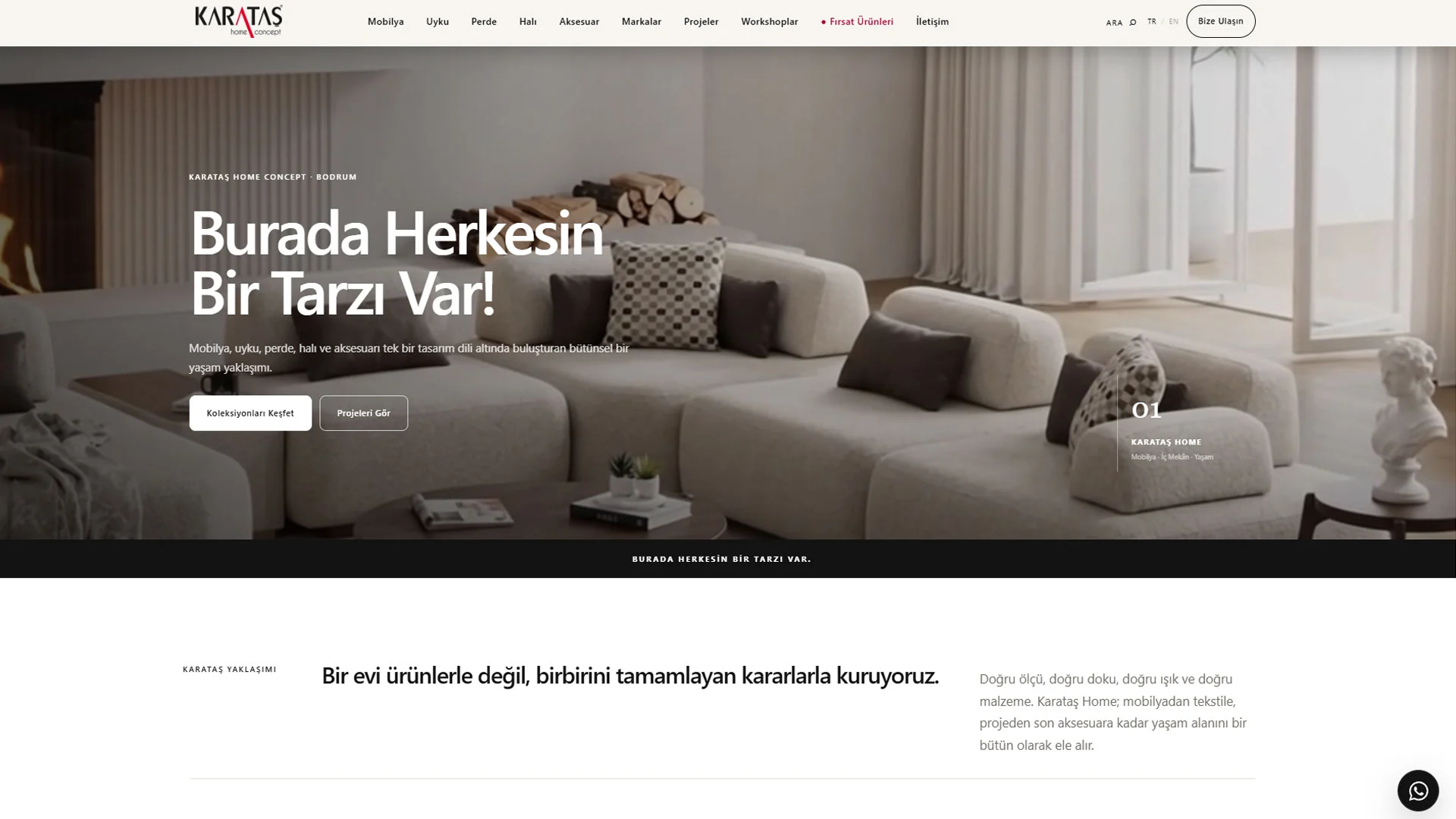
A corporate website, architecture portfolio, restaurant site, editorial site or many e-commerce businesses can be served extremely well by WordPress when the build is disciplined.
Typical reasons to choose it include:
- editors already understand the model
- pages, articles, projects or products are the main content
- standard multilingual, SEO and form workflows are sufficient
- integrations have mature APIs or plugins
- time-to-market matters
- the business should not pay to reinvent solved CMS problems
Using WordPress is not the same thing as using a generic theme. A custom information architecture and interface can still sit on top of WordPress.
Custom development becomes useful when the website starts behaving like software
A system may need staff roles, approval states, live inventory, complex pricing, CRM pipelines, booking workflows, supplier data, automated documents, dashboards or business-specific permissions.
At that point the website is no longer only publishing content. It is becoming operational software.
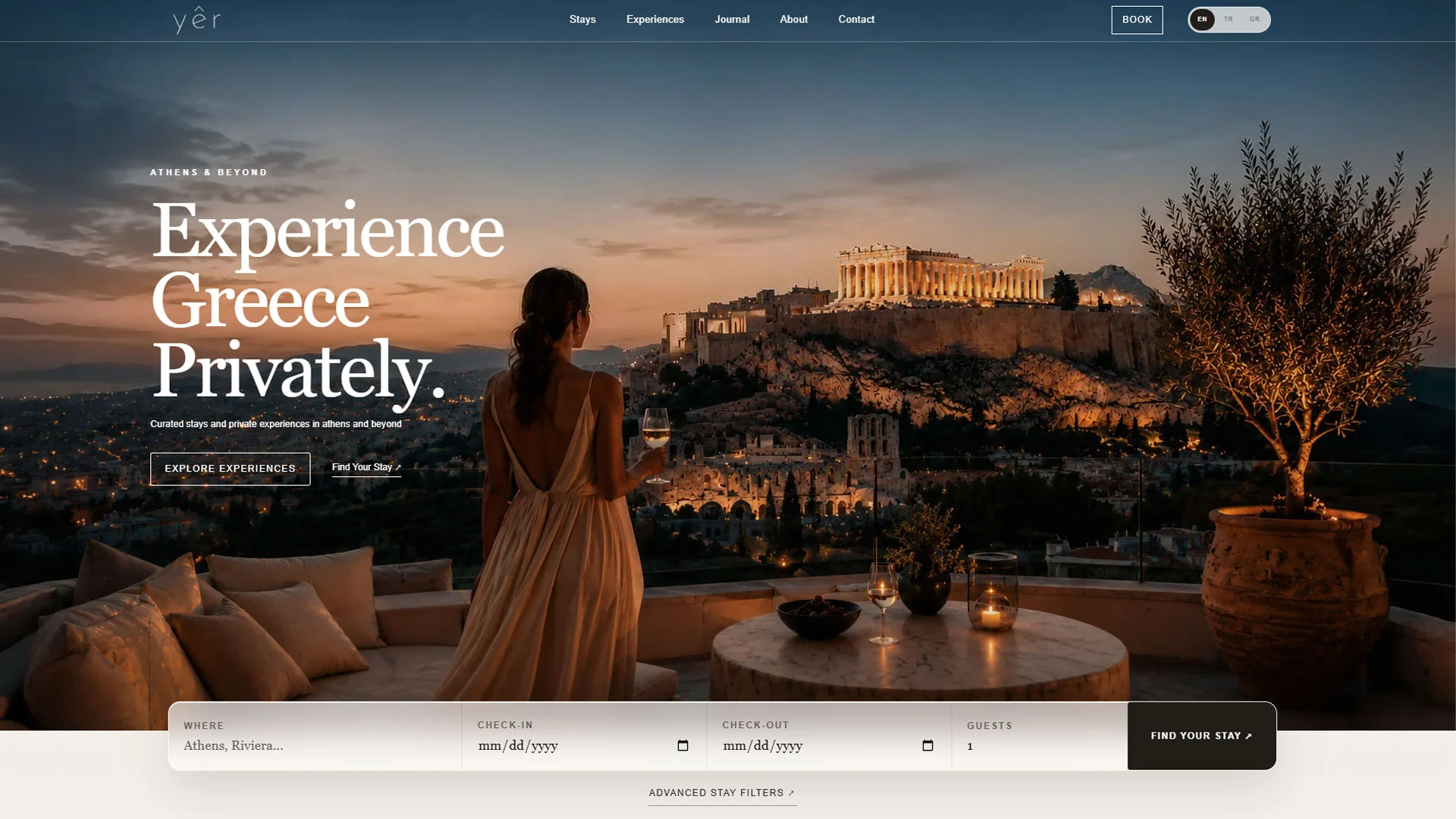
YER Living combines a public hospitality experience with background availability, pricing and business workflows. FOQUS GO is a product platform rather than a conventional marketing site. Those problems justify different architecture decisions.
WooCommerce sits between a CMS and a commerce platform
For many stores, WooCommerce is appropriate because catalogue, cart, checkout and order concepts are already solved. Custom development becomes valuable around the edges when commission logic, producer structures, unusual fulfilment, membership or external systems change the standard flow.
A custom system also creates custom responsibility
Owning more code means owning more maintenance. Security, compatibility, deployment, backups, monitoring and future development need a clear owner.
Custom should therefore solve a real business constraint. “We want something unique” is not enough reason to rebuild authentication, content editing or commerce from zero.
Ask these five questions
1. Is the core problem content or workflow?
If most work is publishing, a mature CMS is usually efficient. If most work is moving business data through states, custom software may fit better.
2. How many user roles exist?
One marketing editor is different from sales staff, operations, finance, partners and super-admin roles with separate permissions.
3. How much live or external data is involved?
Rates, availability, inventory, CRM and supplier APIs can change performance and reliability requirements.
4. How expensive is operational friction?
If staff repeat a manual process hundreds of times per month, custom automation may pay for itself. If the task happens twice a year, it probably will not.
5. Who will maintain the system?
The best architecture is not only what can be built; it is what can be responsibly operated.
Hybrid is often the correct answer
The public marketing layer can use a CMS while a separate application handles operational workflows. Or a custom platform can expose only the content controls staff actually need.
The Bodrum Web Design process treats platform choice as a consequence of scope. The goal is not to sell the most complicated technology. It is to choose the smallest reliable system that fits the business.